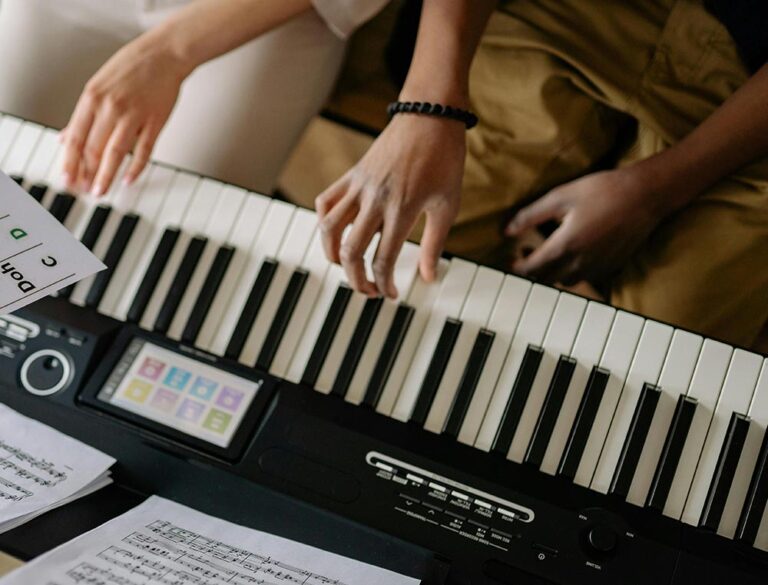

Confidence isn’t something you’re simply born with; it’s something you build over time. For many students, learning the piano becomes a transformative journey—one that not only nurtures musical skills but also instills a deep sense of self-assurance. As a teacher, I’ve had the privilege of witnessing countless students grow in both skill and confidence through piano practice. In this article, I’ll share how piano practice becomes a powerful tool for building confidence, one note at a time.
Starting Small: The Joy of Early Achievements
For beginners, the thought of playing a full piece can feel daunting. But with consistent practice, even mastering a simple melody becomes a source of pride. Each small accomplishment adds up, creating a solid foundation of confidence.
Example:
When a student first learns to play a recognizable tune, like “Twinkle, Twinkle, Little Star,” the joy on their face is unmistakable. These early wins motivate them to keep going.
Overcoming Challenges and Celebrating Progress
Learning piano inevitably involves challenges—a tricky rhythm, a challenging chord, or a complex piece. Overcoming these hurdles teaches students resilience and reinforces their belief in their abilities.
Why It Matters:
Every time a student tackles a difficult section and masters it, they build mental strength and trust in their capacity to achieve goals with effort and patience.
Building Discipline and Routine
Regular practice not only improves piano skills but also develops discipline and consistency. These habits spill over into other areas of life, giving students a sense of control and accomplishment.
How It Builds Confidence:
Knowing you’ve put in the effort every day creates a sense of pride and ownership in your progress. It’s a reminder that hard work truly pays off.
Performing for Others
The act of performing, whether for family, friends, or a formal audience, can be nerve-wracking at first. But with preparation and practice, students gain the confidence to share their music with others.
Example:
I’ve seen shy students transform through their first recitals. The applause and encouragement they receive after a performance often become a pivotal moment in their confidence journey.
Connecting Emotionally with Music
Piano practice isn’t just about hitting the right notes; it’s about expressing emotion and telling a story through music. This emotional connection helps students develop a sense of identity and pride in their unique interpretation.
Why It Matters:
When students see how their music resonates with others, it reinforces their self-worth and ability to make an impact.
Developing a Growth Mindset
Learning piano teaches students that mistakes are part of the process. Instead of fearing failure, they learn to view it as an opportunity to improve. This mindset shift is a cornerstone of confidence.
How It Transforms Students:
A student who once hesitated to try something new now approaches challenges with curiosity and determination, knowing that persistence leads to growth.
Final Thoughts
Piano practice is more than just developing musical ability; it’s about unlocking the confidence that comes from setting goals, overcoming obstacles, and sharing your progress with others. Whether you’re a beginner or an advanced player, every moment spent at the piano contributes to a stronger, more self-assured version of yourself.
As a teacher, my greatest joy is seeing students realize their potential and grow into confident individuals through their musical journey. If you’re ready to embark on this transformative experience, I’m here to guide you every step of the way.
Ready to Build Confidence Through Music? Contact me today to start your piano lessons and discover the joy of growth through practice!