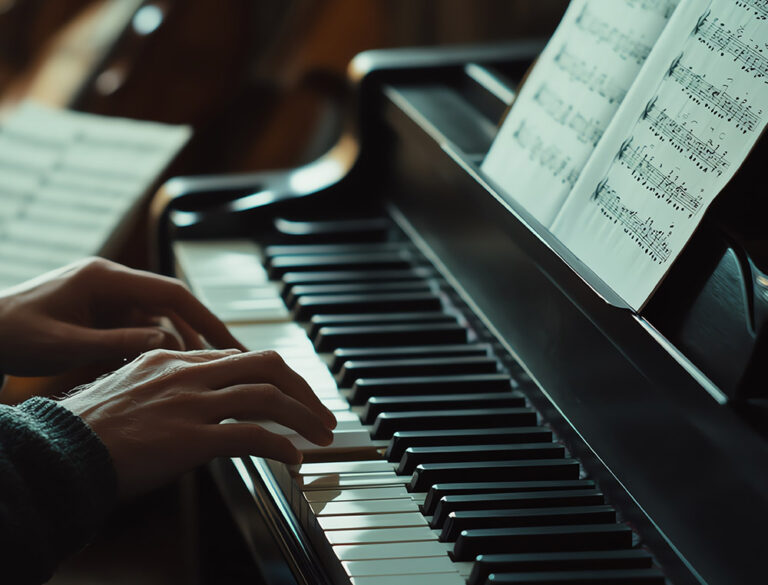
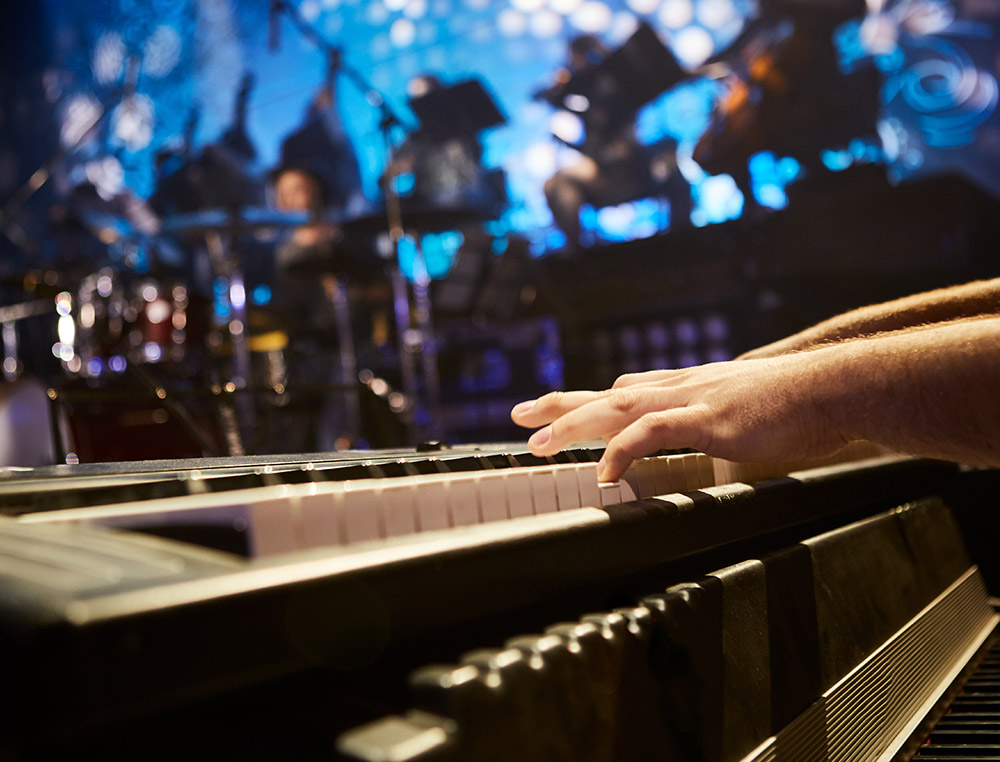
For aspiring concert pianists, the stage represents a dream—a chance to showcase years of dedication, skill, and passion. Yet, standing before a large audience, especially in a premium setting, can evoke a whirlwind of emotions. Butterflies in the stomach, a racing heart, and the fear of forgetting notes can feel overwhelming. But here’s the truth: performance anxiety is a natural part of being a musician. Even the greatest performers experience it.
The key lies not in eliminating the anxiety but in channeling it into something powerful.
Why Performance Anxiety Is Normal
- The High Stakes of Performance
Performing in front of a large audience alongside talented musicians is no small feat. The pressure to deliver a flawless performance, combined with personal expectations, can naturally trigger anxiety. Remember, this pressure exists because you care deeply about your art—it’s a sign of your commitment. - Your Brain on Stage
Anxiety is the brain’s response to a perceived challenge. It heightens your awareness, sharpens your focus, and prepares your body to act. While it might feel uncomfortable, this reaction is your brain’s way of helping you perform at your best. - You’re Not Alone
Every performer, from the aspiring pianist to the seasoned concert soloist, has faced moments of self-doubt. Knowing that you share this experience with a community of musicians can be comforting.
Practical Exercises to Overcome Performance Anxiety
- Controlled Breathing Techniques
Breathing exercises are proven to calm the nervous system. Try this simple method:- Inhale through your nose for 4 counts.
- Hold your breath for 4 counts.
- Exhale through your mouth for 6 counts.
- Repeat this cycle for 2–3 minutes before your performance.
This helps lower heart rate and reduce physical tension.
- Progressive Muscle Relaxation (PMR)
PMR involves tensing and relaxing muscle groups to release physical tension caused by anxiety. Here’s how:- Start with your feet: tense the muscles, hold for 5 seconds, then release.
- Gradually move up your body (legs, abdomen, shoulders, arms, hands, and face).
This exercise not only calms you but also helps you feel more grounded.
- Practice Performing in “High-Pressure” Scenarios
Simulate performance conditions by:- Playing for a small audience of friends or family.
- Recording yourself during practice and reviewing the playback.
- Performing in a noisy environment to prepare for distractions.
Gradual exposure to these scenarios builds confidence and reduces stage fright over time.
- Mindful Warm-Ups Before the Performance
Spend a few minutes playing scales, arpeggios, or simple pieces you enjoy. Focus on the sensation of the keys under your fingers and the sound of the notes. This mindfulness anchors you in the moment and helps you stay calm. - Mental Rehearsal
Visualization is a powerful tool used by athletes and performers alike. Close your eyes and imagine yourself on stage, playing beautifully. Picture the audience smiling, applauding, and enjoying your performance. Visualization helps your brain associate the stage with positive emotions, reducing fear. - Break the Piece into Manageable Sections
If you’re overwhelmed by the thought of playing an entire piece, break it into smaller sections. Focus on mastering one section at a time during practice. Before performing, remind yourself that you’re prepared and capable of handling each part. - Embrace “The Pause”
If you make a mistake during a performance, don’t panic. Pause for a moment, take a breath, and continue. Most audience members won’t even notice a brief pause, but they’ll appreciate your composure. - Post-Performance Reflection
After every performance, reflect on what went well. Write down your strengths and what you’d like to improve. Over time, this habit reinforces positive experiences and helps you grow as a performer.
From Anxiety to Artistry
Performance anxiety is a reflection of your passion and the high standards you’ve set for yourself. It’s a sign that you’re pushing boundaries and stepping out of your comfort zone. By embracing this challenge, you’re not just growing as a musician—you’re transforming into an artist who can connect deeply with audiences.
So, the next time you feel those nerves creeping in, remind yourself: they’re a part of the process. You’re not just playing notes; you’re sharing a piece of your soul. And that’s what makes your performance unforgettable.