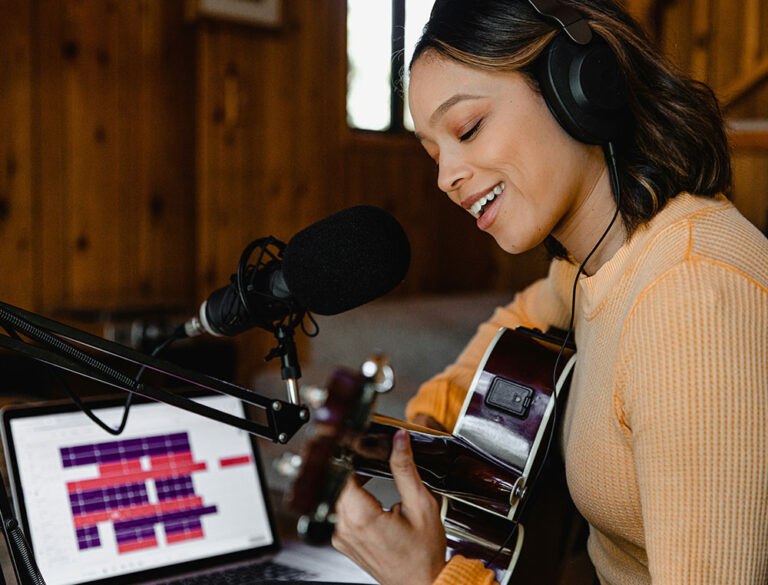

Music has been an integral part of human culture for centuries, transcending language and connecting people in ways words cannot. Whether you’re a child, a busy professional, or a retiree, learning a musical instrument is one of the most enriching experiences you can have. It’s not just about making music—it’s about personal growth, cognitive benefits, emotional expression, and even social connection. Here’s why picking up an instrument at any stage in life is a decision you won’t regret.
1. Boosts Cognitive Abilities
Playing a musical instrument engages multiple areas of the brain, improving memory, coordination, and problem-solving skills. Studies show that musicians often have enhanced cognitive functions, including better verbal memory, literacy skills, and even mathematical abilities.
Example: Learning to play the piano requires reading sheet music, coordinating both hands, and maintaining rhythm—all at the same time. This complex mental exercise strengthens neural connections and sharpens focus.
2. Enhances Emotional Well-Being
Music has a profound impact on emotions, helping to relieve stress and boost mood. Playing an instrument provides an outlet for self-expression, allowing individuals to process feelings in a creative and therapeutic way.
Why It Matters: Strumming a guitar or playing a soulful melody on the piano can be a form of meditation, bringing a sense of peace and accomplishment after a long day.
3. Improves Discipline and Patience
Learning an instrument is a journey that requires practice, patience, and persistence. Unlike instant gratification from digital entertainment, progress in music comes gradually, teaching valuable life skills like discipline and perseverance.
Example: A beginner learning to play a song note by note will experience setbacks, but over time, with dedication, they’ll be able to play fluently. This process instills a strong work ethic that carries over into other aspects of life.
4. Builds Confidence Through Performance
Performing in front of others, whether in a small gathering or on stage, helps overcome stage fright and boosts self-confidence. Music performance teaches you to embrace mistakes, adapt, and grow.
How It Transforms You: The first time you play a piece in front of an audience, you might feel nervous. But with practice, you’ll gain the confidence to share your talent and connect with listeners in a meaningful way.
5. Strengthens Social Connections
Music brings people together. Whether you join a band, an orchestra, or simply play with friends, making music is a shared experience that fosters deeper relationships and community.
Example: Many lifelong friendships have been formed in music groups, where collaboration and teamwork create a sense of belonging.
6. A Skill That Lasts a Lifetime
Unlike physical activities that may become difficult with age, playing an instrument is a lifelong skill that can be enjoyed at any stage of life. It’s a source of joy, creativity, and personal fulfillment that never fades.
Why It’s Worth It: Even if you start learning later in life, the joy of playing your favorite songs and continuously improving is a reward in itself.
Final Thoughts
No matter your age, background, or musical ability, learning an instrument opens the door to endless possibilities. It’s an investment in your mind, emotions, and creativity. If you’ve ever thought about learning an instrument, now is the perfect time to start. You’ll not only gain a new skill but also enrich your life in ways you never imagined.
Ready to Begin Your Musical Journey? Start today and experience the joy of music for yourself!
Additional references:
How learning a musical instrument affects the development of skills
SOEP Papers on Multidisciplinary Panel Data Research
How playing a musical instrument impacts the brain