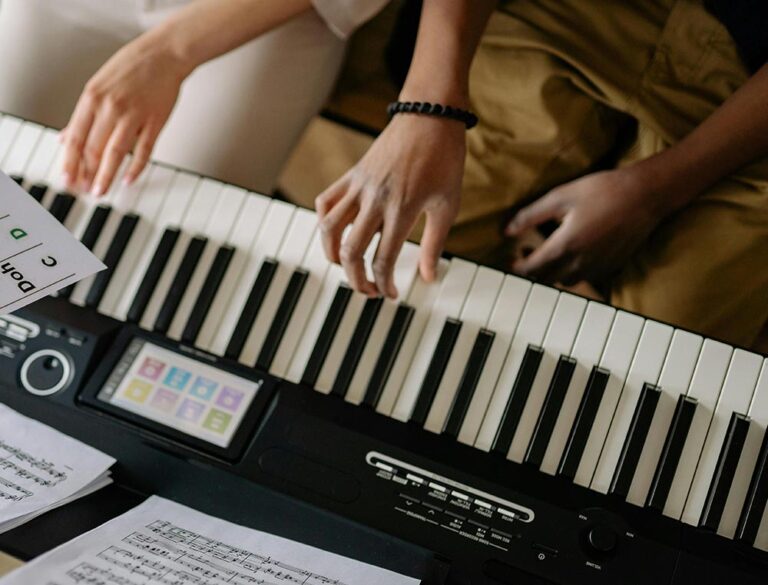

Sight-reading is often the unsung hero of piano playing. It’s the skill that enables you to approach a new piece and render it musically—even on your first try. Yet for many pianists, sight-reading can feel more like deciphering an unfamiliar language than expressing a musical idea. The good news is that with patience and the right techniques, you can master sight-reading at any stage of your musical journey. Drawing on years of experience in performance and teaching, I’m excited to share expert strategies to transform hesitant note-readers into confident, expressive musicians.
1. Begin with Manageable Steps
Why Start Small?
Mastering sight-reading doesn’t mean tackling a full Beethoven sonata on your very first day. Instead, it’s about building confidence gradually by working through manageable challenges.
- Choose Simple Repertoire:
Start with beginner-level pieces or even familiar children’s songs. The objective here is to focus on fluency and understanding the language of music rather than grappling with complex passages. - Leverage Quality Method Books:
Consider resources like Hannah Smith’s Progressive Sight-Reading Exercises or Improve Your Sight-Reading! by Paul Harris. These materials are designed to gradually build your reading skills through carefully structured exercises. - Commit to Short, Regular Practice:
A daily session of 5–10 minutes dedicated to sight-reading can be far more effective than infrequent, long sessions. Remember, consistency is key. - Emphasize Accuracy Over Speed:
It’s natural to feel tempted to play faster as you grow more comfortable. However, focusing on accuracy first will build a solid foundation for increased speed later.
2. Cultivate Pattern Recognition
Seeing Music as Patterns:
Music is built on recurring elements such as scales, arpeggios, chords, and rhythmic motifs. Recognizing these patterns can drastically reduce the cognitive load of reading every individual note.
- Chunking Notes Together:
Instead of processing music note by note, try to see groups of notes—like a C major triad (C–E–G)—as a single entity. This method of “chunking” allows your brain to process larger units of information at once. - Engage in Rhythmic Drills:
Practice clapping or tapping out rhythms independently of the notes. This separation helps reinforce the rhythmic component and makes the integration of pitch and timing smoother. - Memorize Common Intervals:
Become familiar with the sound and appearance of intervals (such as thirds, fifths, and octaves). Studies, including a 2018 investigation published in Psychology of Music, have indicated that strong pattern recognition skills can improve sight-reading speed by as much as 40%.
3. Keep Your Focus on the Score
Breaking the Habit of Looking Down:
A common pitfall for many pianists is the instinct to frequently look at their hands rather than the score. Training your eyes to stay on the music can elevate your overall performance.
- Practice “Blind” Exercises:
Try playing scales or simple passages without glancing at your hands. This exercise not only bolsters muscle memory but also sharpens your spatial awareness on the keyboard. - Utilize Peripheral Vision:
When large leaps or complex fingerings occur, allow your peripheral vision to guide you, but keep your primary focus on the sheet music. - Trust Your Technique:
Confidence in your hand’s ability to locate the keys is crucial. With time, your muscle memory will let your fingers navigate the keyboard while your eyes absorb the unfolding music.
4. Integrate the Metronome into Your Practice
Building a Steady Pulse:
A metronome is an indispensable tool for any pianist, particularly when honing sight-reading skills.
- Begin at a Slow Tempo:
Set the metronome to a slower pace—perhaps half the intended performance speed—to allow yourself the space to process the music. The goal is to maintain a continuous flow even if you make a few mistakes. - Maintain Continuous Play:
Avoid the temptation to stop and correct every error. Sight-reading is fundamentally about keeping the momentum of the piece intact. - Gradually Increase the Speed:
As your comfort and accuracy improve, incrementally raise the tempo by 5–10 beats per minute. This gradual progression builds both your technical skill and confidence. - Consider Duet Practice:
When possible, practice with a teacher or fellow musician. Duet playing can be an enjoyable way to improve your timing and synchronization skills.
5. Prioritize Key Musical Elements
What to Focus on When Reading:
When sight-reading, your brain must rapidly process multiple layers of information. Prioritizing certain elements can help manage this complexity.
- Key and Time Signatures:
These are the foundational elements that dictate the structure and feel of the piece. - Rhythm:
Establish the pulse first. Even if you miss a few notes, maintaining the correct rhythm is critical for the overall flow of the music. - Melody and Bass Lines:
In many pieces, the melody (often played by the right hand) carries the primary musical narrative, while the bass line (usually the left hand) provides harmonic support. In styles like Bach chorales, focusing on the soprano (melody) and bass lines initially can be particularly beneficial, with inner voices addressed as your confidence grows.
6. Diversify Your Repertoire
Broadening Your Musical Horizons:
Exposure to a wide variety of musical styles and genres not only keeps practice interesting but also enhances your overall adaptability.
- Classical Music:
Pieces like Bach chorales, Mozart sonatas, and Schumann miniatures provide excellent opportunities to learn structured musical phrasing and clarity. - Jazz:
Working with lead sheets (which provide melody and chord symbols) can boost your improvisational skills and harmonic thinking. - Pop and Contemporary Music:
These genres often feature repetitive patterns that are ideal for building sight-reading confidence and efficiency.
Advice: Embrace the unfamiliar. The more varied your practice material, the more versatile and adaptable your sight-reading skills will become.
7. Simulate Real-Life Performance Scenarios
Preparing for the Unexpected:
Sight-reading isn’t confined to practice sessions—it’s a real-life skill. Simulate performance conditions to build resilience and versatility.
- Accompaniment Practice:
Try sight-reading while accompanying a vocalist or another instrumentalist. This practice helps you balance your own playing with supporting others. - Ensemble Participation:
Join a chamber group or orchestra. Ensemble playing demands not only sight-reading skills but also the ability to listen and adjust in real time. - Timed Challenges:
Set a timer and tackle a piece you’ve never seen before. This mirrors the pressure of auditions or live performances and conditions you to keep pace without second-guessing every note.
Personal Note: I recall a particularly nerve-wracking rehearsal with a string quartet where I was asked to sight-read a contemporary composition. The skills I had cultivated over years of disciplined practice allowed me to navigate the piece confidently, even under pressure.
8. Avoid Common Pitfalls
Steering Clear of Sight-Reading Traps:
Even seasoned pianists can fall into habits that hinder their progress.
- Overthinking Every Note:
Trust your instincts. Overanalyzing each individual note can disrupt the musical flow. - Neglecting Dynamics:
Even when sight-reading, strive to bring out the character of the piece. Dynamics—loud and soft passages—are integral to the music’s emotional impact. - Ignoring Rests:
Recognize that silence is an essential component of music. Accurately observing rests is just as important as playing the notes.
Final Thoughts: Embrace the Journey
Becoming a proficient sight-reader is a gradual process that evolves with dedicated practice and patience. Remember, every mistake is an opportunity for growth. Start small, build on your successes, and continuously challenge yourself with new material. Over time, you’ll find that what once seemed like a daunting task will become an integral and rewarding part of your musical expression.
About the Author:
Anna Robinson is a seasoned pianist and educator with certifications from ABRSM and Trinity College London. With over 15 years of experience, her teaching philosophy blends technical precision with a deep passion for music, empowering students to unlock their full potential.
If you found this guide helpful, please share it with fellow pianists. Together, let’s continue to grow and celebrate the art of sight-reading.
References: